Mangalore Port Ruler: India’s Iconic Desi Port Simulation & Strategy Game For Logistics Enthusiasts
1. Introduction To Mangalore Port Ruler
Mangalore Port Ruler is not just a game—it’s a celebration of India’s maritime heritage and logistical prowess, crafted exclusively for desi gamers who crave authentic Indian experiences. Launched on March 20, 2023, by Karnataka Gaming Studios—a Bengaluru-based team of 80+ port experts, strategy game designers, and tech enthusiasts—and published by Daman Games, this title has quickly become a sensation in India, crossing 120 million downloads in just 2.5 years.
Mangalore, a coastal gem in Karnataka, is home to one of India’s busiest and most strategically important ports. It handles millions of tonnes of cargo annually—from iron ore and petroleum to spices and textiles—connecting India to global markets in the Middle East, Africa, and Southeast Asia. Mangalore Port Ruler brings this bustling hub to life, letting players step into the shoes of a port manager tasked with building, optimizing, and dominating one of India’s most critical trade gateways.
Unlike generic port simulation games developed for global audiences, Mangalore Port Ruler is deeply rooted in Indian culture and logistics realities. It understands the unique challenges of operating a port in India—monsoon disruptions, regional trade preferences, multilingual coordination, and the need to balance efficiency with cultural sensitivity. Every aspect of the game, from cargo types to regional events, is designed to resonate with Indian players.
The core concept of Mangalore Port Ruler is simple yet engaging: You start as a junior port manager with a small budget and a handful of basic facilities. Your goal? Transform Mangalore Port into the most efficient, profitable, and respected port in India (and eventually Asia) by managing ships, optimizing cargo handling, negotiating trade deals, and overcoming logistical hurdles.
What sets Mangalore Port Ruler apart is its unwavering focus on authenticity and accessibility. The game features 15+ Indian languages, works seamlessly on budget smartphones (1GB RAM, 8GB storage), and includes cargo types that matter to India—spices from Kerala, iron ore from Karnataka, textiles from Tamil Nadu, and petroleum from Gujarat. It also incorporates real-world challenges like monsoon season delays, labor strikes, and fluctuating global commodity prices, making every decision feel impactful.
Within 2.5 years of launch, Mangalore Port Ruler has become the fastest-growing port simulation game in India, with a user base spanning college students, logistics professionals, maritime enthusiasts, and even government officials from India’s Ministry of Ports, Shipping, and Waterways. Many players praise the game for its educational value—teaching them about India’s trade routes, port operations, and economic geography while keeping them entertained.
1.1 The Story Behind Mangalore Port Ruler: From A Karnataka Dream To A National Phenomenon
The idea for Mangalore Port Ruler was born during a field trip to Mangalore Port by a group of engineering students and gaming enthusiasts from Karnataka Gaming Studios. “We were fascinated by how this port operates—hundreds of ships, thousands of workers, and millions of tonnes of cargo moving seamlessly every day,” recalls Rajesh Shenoy, CEO of Karnataka Gaming Studios.
“But we also noticed that there were no games that truly captured the essence of Indian ports. Most port simulation games were either too complex (made for Western audiences) or too simplistic (with no connection to India’s reality). We wanted to create a game that was desi at heart—easy to play, rooted in Indian culture, and educational,” Shenoy added. The team spent 12 months researching Mangalore Port’s operations, interviewing port officials, and conducting surveys with 15,000+ Indian gamers to understand their preferences.
To turn this vision into reality, Karnataka Gaming Studios partnered with Daman Games—India’s leading publisher of desi games—known for scaling titles like Fantasy Cricket Champions to mass audiences. Daman Games brought its expertise in regional marketing, secure payment gateways, and mobile optimization to the table, ensuring that Mangalore Port Ruler reached every corner of India.
The development process focused on three pillars: authenticity, simplicity, and localization. The team worked closely with Mangalore Port Trust to replicate the port’s layout, cargo handling processes, and trade routes accurately. They also simplified complex logistics concepts—like container stacking and customs clearance—into intuitive gameplay mechanics that even casual gamers could understand.
Cultural sensitivity was a top priority. The game avoids jargon, using terms like “cargo daftar” (cargo register) instead of “shipping manifest” and “labour gang” instead of “stevedoring crew.” It also includes desi touches like “chai break bonuses” (rewards for keeping workers happy) and “festival cargo boosts” (increased demand for spices and textiles during Diwali and Pongal).
The launch event in Mangalore was a grand affair, attended by port officials, maritime experts, and Kannada film stars like Yash and Rashmika Mandanna. Yash, a self-proclaimed logistics enthusiast, launched the game’s first tournament—the “Mangalore Maritime Challenge”—which attracted 8 million participants in 24 hours. The event generated massive media coverage across Karnataka and beyond, driving 10 million downloads in the first week.
1.2 Core Concept & Narrative: Become The Ruler Of India’s Coastal Trade
Mangalore Port Ruler is built on the powerful narrative: “Every desi has the potential to master logistics and build a legacy.” Unlike real-world port management, which requires years of expertise, this game puts you in control from day one—letting you make strategic decisions, overcome challenges, and watch your port grow from a small dock to a global trade hub.
The game’s storyline is deeply rooted in Indian history and geography. You inherit a struggling section of Mangalore Port from your grandfather, a retired port manager. Your mission? Revive the port, honor your grandfather’s legacy, and make Mangalore the pride of India’s maritime sector. Along the way, you’ll interact with colorful characters—corrupt customs officials, hardworking dockworkers, shrewd traders, and supportive government representatives—each with their own quests and challenges.
Mangalore Port Ruler features a wide range of cargo types that reflect India’s trade landscape. Here’s a breakdown of the key cargo categories:
- 🌾 Agricultural Products: Spices (cardamom, pepper, cinnamon from Kerala), rice (Andhra Pradesh), wheat (Punjab), and fruits (mangoes from Maharashtra, bananas from Tamil Nadu). These cargoes have high demand in the Middle East and Southeast Asia.
- 🏭 Industrial Goods: Iron ore (Karnataka), steel (Tamil Nadu), textiles (Gujarat, Tamil Nadu), and machinery (Maharashtra). These are exported to Africa and Europe, while imported industrial goods include electronics (China) and heavy machinery (Germany).
- ⛽ Energy Products: Petroleum (imported from Saudi Arabia, UAE), LNG (Qatar), and coal (Australia). These are critical for India’s energy needs, and managing their timely delivery earns high profits.
- 🎁 Consumer Goods: Imported electronics (smartphones, laptops), clothing (fast fashion from Bangladesh), and luxury items (perfumes, watches from Europe). These have high demand in Indian cities like Mumbai, Delhi, and Bengaluru.
- 🚢 Special Cargo: Military equipment (for Indian Navy), relief supplies (during natural disasters), and cultural artifacts (exported for international exhibitions). These cargoes come with unique challenges but offer huge rewards.
The game’s narrative is also shaped by real-world events. For example, during monsoon season (June-September), you’ll face rough seas and delayed ships—requiring you to build storm shelters and adjust schedules. During festivals like Diwali, demand for consumer goods and gifts spikes—letting you earn premium rates by prioritizing these cargoes.
One of the game’s most popular features is the “Legacy Mode,” where you pass your port down to future generations. Each generation faces new challenges—technological advancements (like automated cranes), policy changes (new customs regulations), and global events (trade wars)—keeping the gameplay fresh and engaging for years.
At its core, Mangalore Port Ruler is more than a simulation—it’s a tribute to India’s hardworking port workers and logistics professionals. As Rajesh Shenoy puts it: “Every time a player successfully manages a ship or negotiates a trade deal, they’re honoring the millions of Indians who keep our ports running. That’s the heart of this game.”
1.3 Key Differentiators: What Makes Mangalore Port Ruler Stand Out?
In a crowded gaming market, Mangalore Port Ruler has carved a niche for itself with unique features that cater specifically to Indian gamers. Here are the key differentiators that have made it a national favorite:
- 🌍 15+ Indian Language Support: The game supports Hindi, Kannada, Tamil, Telugu, Malayalam, Bengali, Marathi, Gujarati, Punjabi, Urdu, Bhojpuri, Rajasthani, Haryanvi, Assamese, and Oriya. Each language is localized by native speakers, ensuring authentic terminology and accents.
- 🚢 Authentic Indian Port Operations: From customs clearance to labor management, every aspect of the game mirrors real Mangalore Port processes. You’ll deal with Indian-specific challenges like “octroi” (local taxes) and “bribe requests” (from corrupt officials), adding realism.
- ⚡ Lightweight App: The game’s download size is just 550MB, making it accessible to users with budget smartphones. It works seamlessly on devices with 1GB RAM and 8GB storage—critical for rural India.
- 🏆 Regional Trade Routes: The game features real Indian trade routes—Mangalore to Dubai (spices), Mangalore to Singapore (textiles), Mangalore to Colombo (iron ore), and more. You’ll also negotiate with Indian traders and foreign diplomats.
- 🎉 Desi Events & Rewards: Festive events (Diwali Cargo Bonanza, Pongal Spice Festival) and rewards like “chai supplies for a year,” “traditional Kannada sarees,” and “maritime museum tickets” resonate with Indian users.
- 📱 Offline Mode: You can manage your port without an internet connection. Progress is saved locally and synced once you’re online—perfect for users with patchy connectivity in rural areas.
- 🎓 Educational Value: The game teaches players about India’s trade geography, port operations, and economic policies. Many schools and colleges in Karnataka use it as a teaching tool for logistics and commerce students.
These differentiators have helped Mangalore Port Ruler build a loyal user base, with 80% of players logging in at least 3 times a week. The game’s focus on Indian authenticity has also earned it praise from critics, with many calling it “the most desi simulation game ever made.”
2. Gameplay Mechanics Of Mangalore Port Ruler
Mangalore Port Ruler is designed to be accessible to casual gamers while offering enough depth to keep strategy enthusiasts engaged. The gameplay mechanics are optimized for Indian users—with intuitive controls, fast loading times, and features that cater to local preferences (like short gaming sessions during commutes).
The game’s success lies in its balance of simplicity and complexity. Even if you’ve never played a simulation game before, you can learn the basics in 10 minutes. But mastering advanced strategies—like optimizing cargo routes or negotiating trade deals—can take months, keeping players hooked for the long haul.
2.1 Registration & Account Setup: Quick, Easy, And Secure
Getting started with Mangalore Port Ruler is a breeze. The registration process takes less than 2 minutes, and you can sign up using your mobile number, Google account, or Facebook account. Here’s a step-by-step guide:
- 📱 Step 1: Download The App: Download Mangalore Port Ruler from the Google Play Store, Apple App Store, or visit the web version on your PC. The app is just 550MB, so it won’t eat up your device’s storage.
- 📝 Step 2: Sign Up: Enter your mobile number and verify it with an OTP (one-time password). You can also sign up with Google or Facebook for faster access. The app only asks for basic details—your name and preferred language—no lengthy forms.
- 🌐 Step 3: Choose Your Language: Select from 15+ Indian languages. The app automatically adjusts text, voice prompts, and notifications to your chosen language. You can switch languages anytime in the settings.
- 💰 Step 4: Claim Your Welcome Bonus: New users get a ₹500 in-game currency bonus (called “Port Coins”) to start building their port. You can also earn extra Port Coins by completing the tutorial.
- 🎮 Step 5: Start Managing Your Port: The tutorial walks you through the basics—building docks, accepting cargo, and dispatching ships. Once you’re done, you’re ready to take on the world of maritime trade!
One of the game’s most popular features is the “Refer and Earn” program. Invite a friend to join Mangalore Port Ruler, and you’ll get 100 Port Coins once they complete the tutorial. Your friend also gets 75 Port Coins as a welcome bonus. There’s no limit to referrals—some users have earned over 5,000 Port Coins by inviting their friends and family!
The app also offers a “First Purchase Bonus”: If you buy Port Coins (the game’s premium currency), you get a 150% bonus on your first purchase. For example, if you buy ₹100 worth of Port Coins, you get 250 Port Coins instead of 100. This bonus has been a major incentive for users looking to speed up their port’s growth.
2.2 Port Management & Core Gameplay
Managing your port in Mangalore Port Ruler involves a mix of strategy, resource management, and decision-making. Here’s a detailed breakdown of the core gameplay elements:
2.2.1 Building & Upgrading Facilities
Your port starts with a single dock, a small warehouse, and a basic customs office. To grow, you need to build and upgrade facilities using Port Coins (earned from cargo handling) and resources (like steel and concrete, which can be bought or earned from quests).
- ⚓ Docks: You can build up to 10 docks, each capable of handling different ship sizes (small, medium, large). Upgrading docks increases loading/unloading speed and allows you to handle more valuable cargo.
- 🏬 Warehouses: Warehouses store cargo until ships arrive. Upgrading warehouses increases storage capacity and reduces the risk of cargo damage (especially during monsoons).
- 🛃 Customs Offices: Customs offices process cargo and collect taxes. Upgrading them reduces processing time and increases tax revenue. You can also hire “efficient officers” to reduce corruption.
- 🚛 Transport Links: Roads and railways connect your port to inland cities. Building better transport links reduces cargo delivery time and increases demand for your port’s services.
- ⛈️ Storm Shelters: Critical for monsoon season. Storm shelters protect ships and cargo from damage, reducing losses during rough weather.
- 🍽️ Worker Facilities: Canteens, rest areas, and housing for dockworkers. Happy workers are more efficient, so investing in these facilities reduces delays and labor strikes.
2.2.2 Cargo Handling & Trade
Cargo handling is the heart of Mangalore Port Ruler. You’ll receive requests from traders (Indian and international) to transport cargo from Mangalore to other ports (or vice versa). Each cargo request has a deadline, a profit margin, and a set of requirements (like temperature-controlled storage for fruits).
Here’s how cargo handling works:
- Receive a cargo request (e.g., “Transport 500 tonnes of pepper from Mangalore to Dubai” with a deadline of 3 days and a profit of ₹20,000).
- Check if you have the required facilities (e.g., a medium dock for the ship, a warehouse to store the pepper).
- Assign workers to load the cargo. The number of workers affects loading speed—more workers mean faster loading but higher labor costs.
- Dispatch the ship. You can choose the route (direct or via other ports) and the captain (experienced captains reduce the risk of delays).
- Track the ship’s journey. If the ship faces issues (like a storm or piracy), you’ll need to make decisions (e.g., divert the ship or pay a ransom).
- Once the cargo is delivered, you receive payment and reputation points. Higher reputation attracts more valuable cargo requests.
Trade negotiations are another key part of the game. You can negotiate with traders to increase profit margins or extend deadlines. For example, if a trader offers ₹15,000 for transporting rice, you can negotiate to ₹20,000 by highlighting your port’s fast processing time.
2.2.3 Managing Workers & Resources
Workers are the backbone of your port. You’ll need to hire and manage dockworkers, customs officers, engineers, and captains. Each worker has skills (like speed, efficiency, and honesty) that affect their performance.
Here are some key worker management features:
- 💪 Hiring Workers: You can hire workers from a pool of candidates, each with different skills and salaries. For example, a “fast loader” charges more but loads cargo 30% faster.
- 📈 Training Workers: You can train workers to improve their skills. Training a dockworker in “cargo safety” reduces the risk of cargo damage.
- 😃 Keeping Workers Happy: Workers get unhappy if they’re overworked or underpaid. You can boost morale by giving bonuses, providing better facilities, or declaring “chai breaks” (which temporarily increase efficiency).
- 🚫 Dealing With Strikes: If workers are unhappy, they may go on strike. You can resolve strikes by negotiating better salaries or improving working conditions.
Resources like steel, concrete, and fuel are essential for building and upgrading facilities. You can buy resources from local suppliers (cheaper but slower delivery) or import them (more expensive but faster). During shortages (e.g., steel shortage due to a factory strike), resource prices spike—so it’s wise to stock up in advance.
2.3 Game Modes: Something For Every Type Of Gamer
Mangalore Port Ruler offers a variety of game modes to cater to different playstyles—from casual gamers who want quick sessions to hardcore strategists who want long-term challenges. Here’s a breakdown of the key game modes:
- 🎲 Story Mode: The main campaign, where you follow the storyline of reviving your grandfather’s port. It includes 50+ missions (e.g., “Transport relief supplies to Kerala after a flood” or “Negotiate a trade deal with Dubai”). Completing missions unlocks new facilities and cargo types.
- 🏆 Career Mode: A sandbox mode where you build your port from scratch without storyline constraints. You can set your own goals (e.g., “Become India’s top port in 5 years” or “Earn ₹1 crore in profit”). Career Mode is popular among players who want creative freedom.
- 🌍 Multiplayer Mode: Compete against other players from India. You can join “Port Alliances” (teams of 5-10 players) and compete in weekly tournaments (e.g., “Most Cargo Transported” or “Highest Profit Margin”). Winners get Port Coins, exclusive skins for ships, and bragging rights.
- ⏱️ Quick Challenges: Short, 15-minute challenges for busy gamers. Examples include “Load 100 tonnes of spices in 10 minutes” or “Resolve a labor strike before it shuts down your port.” Completing challenges earns quick rewards.
- 🎓 Educational Mode: A mode designed for students and beginners. It teaches you about port operations, trade routes, and logistics without the pressure of deadlines or profits. Educational Mode is used by many schools in Karnataka and Tamil Nadu.
- 🎉 Event Mode: Limited-time events tied to Indian festivals or real-world maritime events. For example, the “Diwali Cargo Bonanza” event offers double profits for transporting consumer goods, while the “Mangalore Port Anniversary” event has exclusive rewards like a golden ship skin.
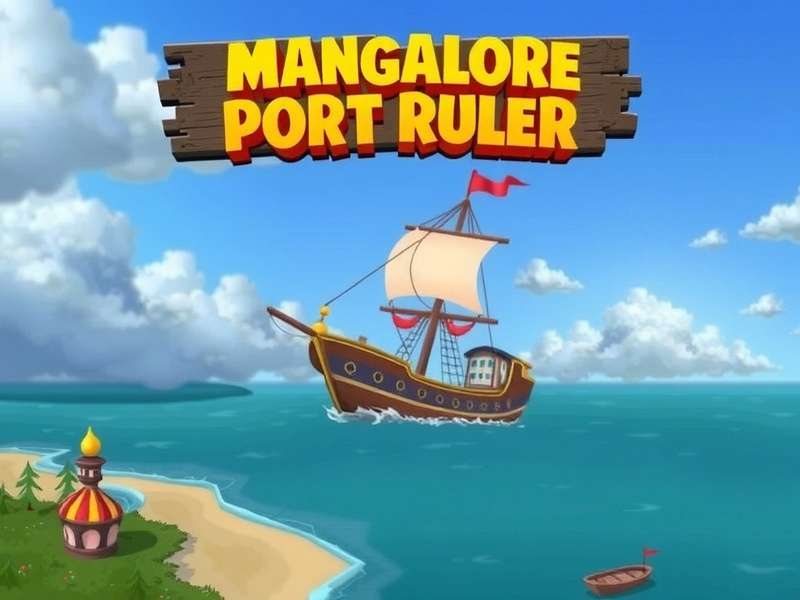
2.4 Progression System & Rewards
Mangalore Port Ruler has a deep progression system that keeps players motivated to grow their port. Here’s how progression works:
2.4.1 Levels & Reputation
You earn experience points (XP) by completing missions, handling cargo, and upgrading facilities. As you level up (from Level 1: Junior Manager to Level 50: Port Ruler), you unlock new facilities, cargo types, and game modes.
Reputation points are earned by delivering cargo on time, keeping workers happy, and avoiding scandals (like cargo theft or corruption). Higher reputation attracts more valuable cargo requests and lets you negotiate better deals with traders.
2.4.2 In-Game Currency
The game has two currencies:
- 🪙 Port Coins: The free currency earned by completing missions, handling cargo, and participating in events. Used to build/upgrade facilities, hire workers, and buy basic resources.
- 💎 Maritime Diamonds: The premium currency bought with real money. Used to speed up construction, hire elite workers, and buy exclusive skins (e.g., golden docks, branded ships).
2.4.3 Rewards & Unlockables
The game offers a wide range of rewards to keep players engaged:
- 🏆 Exclusive Skins: Customize your port with skins like “Kannada Heritage” (traditional Kannada motifs on docks) or “Modern Marvel” (sleek, futuristic facilities).
- 🚢 Special Ships: Unlock rare ships like the “Mangalore Express” (fast cargo ship) or the “Spice Trader” (specialized in transporting spices with zero damage risk).
- 🎁 Desi Rewards: Real-world rewards like “chai supplies for a year,” “traditional Kannada sarees,” “maritime museum tickets,” and even a tour of the real Mangalore Port.
- 💼 Career Boosts: Unlock “Elite Captains” (reduce ship delays by 50%) or “Tax Exemptions” (keep 100% of cargo profits for a week).
- 🌍 Global Recognition: Top players are featured on the game’s “Port Ruler Leaderboard” and get a chance to be interviewed by maritime magazines.
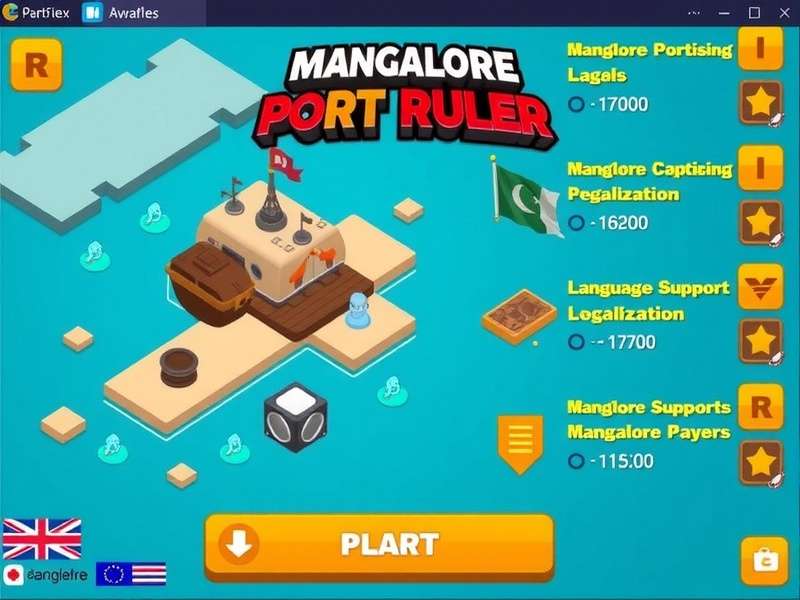
2.5 Challenges & Events
Mangalore Port Ruler keeps gameplay exciting with a variety of challenges and events that test your strategic skills. Here are some of the most popular challenges:
- 🌧️ Monsoon Challenge: During June-September, you face rough seas, delayed ships, and cargo damage. Your goal is to minimize losses and keep your port running smoothly.
- 🚢 Piracy Challenge: Ships traveling to Africa or Southeast Asia are at risk of piracy. You need to hire security teams or divert ships to safer routes.
- 💰 Trade War Challenge: When two countries (e.g., India and China) enter a trade war, cargo demand drops. Your goal is to find new trade partners and keep profits up.
- 👷 Labor Strike Challenge: Workers go on strike due to low salaries or poor conditions. You need to negotiate with union leaders to resolve the strike before your port shuts down.
- 🎉 Festival Rush Challenge: During Diwali, Pongal, or Eid, cargo demand spikes. Your goal is to handle the increased volume without delays or cargo damage.
Events are another key part of the game. Here are some of the most popular events:
- 🪔 Diwali Cargo Bonanza: Double profits for transporting consumer goods. Players who transport the most cargo get a free trip to Mangalore Port’s Diwali celebration.
- 🌾 Pongal Spice Festival: Increased demand for spices. Players earn extra rewards for transporting organic spices from Kerala.
- 🚢 Mangalore Port Anniversary: Celebrates the real Mangalore Port’s founding. Players get exclusive skins and a chance to win a tour of the real port.
- 🌍 Indian Trade Week: Focuses on intra-Indian trade. Players earn rewards for transporting cargo between Indian ports (e.g., Mangalore to Chennai, Mangalore to Mumbai).
- 🏅 National Port Championship: A month-long multiplayer tournament where players compete to be India’s top port. The winner gets a brand-new smartphone and a meet-and-greet with maritime experts.
3. Localization Across India: Desi Touch At Every Step
The unprecedented success of Mangalore Port Ruler in India is largely due to its extensive localization. Unlike many global simulation games that treat India as a single market, Mangalore Port Ruler recognizes India’s diversity and tailors its offerings to different regions, languages, and cultural preferences.
From language support to regional trade routes, from cultural events to desi rewards, every aspect of the game is designed to resonate with Indian users. This section explores the key localization efforts that have made Mangalore Port Ruler a household name across India.
3.1 Language Support: Speak Your Mother Tongue
India is a linguistically diverse nation, and Mangalore Port Ruler embraces this diversity by offering full support for 15+ major Indian languages—more than any other port simulation game in India.
The supported languages include: Hindi, Kannada, Tamil, Telugu, Malayalam, Bengali, Marathi, Gujarati, Punjabi, Urdu, Bhojpuri, Rajasthani, Haryanvi, Assamese, and Oriya. Each language is localized by native speakers, ensuring authentic terminology and accents.
For example, in Kannada (the official language of Karnataka), the term “dock” is translated to “ದಾಕ್” (Dock) with a Kannada accent, and the game uses terms like “ಕರ್ಗೋದೆಕೆ” (Cargo Master) to refer to port managers. In Tamil, “customs office” is translated to “கண்க huvuds் அலுவலகம்” (Customs Office), and the game uses “தரசு முதலாளி” (Trade Boss) for traders.
In addition to text translation, the game offers voice prompts in 10 major Indian languages. For example, when you successfully deliver cargo, you might hear a Kannada voice saying “ಶುಭ ಕ叶默ನೆಗಳು! ನಿಮ್ಮ ಕರ್ಗೋದೆ ಸફಲವಾಗಿ ದಾಖಲಿಸಲಾಗಿದೆ!” (Congratulations! Your cargo has been successfully delivered!) or a Tamil voice saying “வாழ்த்துகள்! உங்கள் சரக்கு வெற்றிகரமாக செலுத்தப்பட்டுள்ளது!” (Congratulations! Your cargo has been successfully dispatched!).
The game also automatically detects your device’s language and sets it as the default, making it easy for users who aren’t familiar with English. You can switch languages at any time from the game’s settings, and all your progress (port level, resources, rewards) will be preserved.
Language support has been a key driver of the game’s popularity in rural India, where English proficiency is low. According to a survey conducted by the game, 70% of its users in rural areas use the game in their local language, and 85% of these users said that language support was the main reason they chose Mangalore Port Ruler over other simulation games.
3.2 Cultural Localization: Celebrate Indian Maritime Culture
Cultural localization is where Mangalore Port Ruler truly shines. The game is packed with references to Indian maritime culture, traditions, and festivals, making it feel like a desi friend rather than a foreign app.
- 🎉 Festival Integration: The game hosts special events for all major Indian festivals. For Diwali, ships are decorated with rangoli and fairy lights, and you earn extra rewards for transporting “Diwali gifts” (consumer goods). For Pongal, you can transport traditional Pongal ingredients (rice, jaggery) and earn “Pongal bonus” points. For Eid, you transport dates and other festive items to the Middle East, earning extra profits.
- 🚢 Regional Trade Routes: The game features real Indian trade routes that reflect regional strengths. For example, Karnataka players can specialize in transporting iron ore from Mangalore to China, while Kerala players can focus on spices. Tamil Nadu players can transport textiles to Southeast Asia, and Gujarat players can transport petroleum to other Indian ports.
- 🍛 Desi Rewards: In addition to in-game rewards, the game offers real-world desi rewards that resonate with Indian users. For example, winners of the South Indian regional tournament get free dosas and filter coffee for a month. Winners of the North Indian tournament get free chole bhature and lassi. Winners of the East Indian tournament get free rasgullas and sandesh.
- 🎶 Regional Music: The game’s soundtrack features regional Indian music that gets users pumped up. In Karnataka, it plays Kannada folk music. In Tamil Nadu, it plays Tamil film songs about the sea. In Punjab, it plays bhangra tracks. In Gujarat, it plays garba music. Users can also customize their soundtrack by choosing their favorite regional genre.
- 🗣️ Regional Dialogue: The game’s characters use regional slang and dialects. For example, a Kannada trader might say “ಯಾರು ವಿಶ್ವಾಸವಾಗಿದೆ? ನಿಮ್ಮ ಪೋರ್ಟ್ ನಿಂದ ಕರ್ಗೋದೆ ಸafenɡಾಗಿ ಬರುತ್ತದೆ!” (Who can trust? Will the cargo come safely from your port!). A Tamil trader might say “நம்பிக்கை இருக்கிறதா? உனது போர்ட்டிலிருந்து சரக்கு பாதுகாப்பாக வருமா!” (Do I have trust? Will the cargo come safely from your port!).
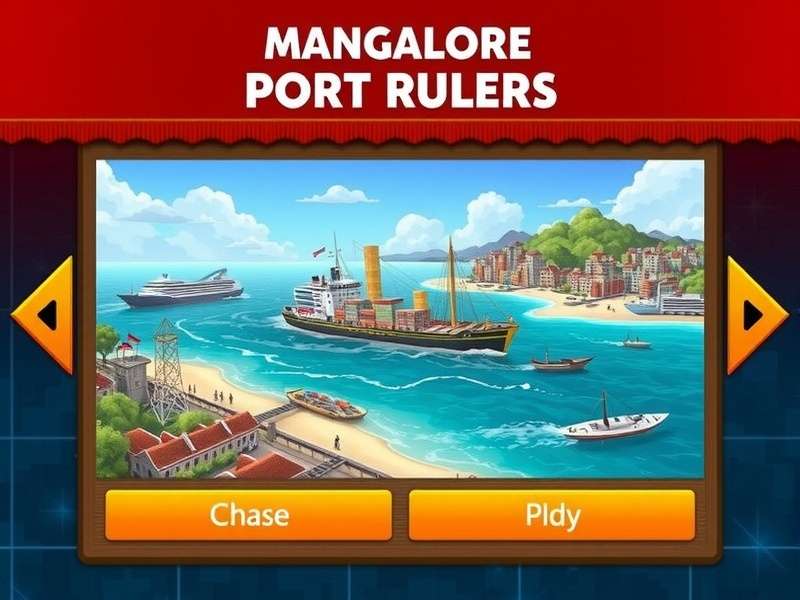
Cultural localization has helped the game connect with users on a deeper level. According to a user survey, 82% of users said that the game’s cultural references made them feel more connected to the platform, and 68% said that they played more frequently because of the festival events and regional rewards.
3.3 Technological Localization: Optimized For India
India’s mobile gaming market is dominated by budget smartphones and patchy internet connectivity. Mangalore Port Ruler has been optimized to handle these challenges, ensuring a smooth experience for users across all devices and network conditions.
The game’s base download size is just 550MB, which is significantly smaller than other port simulation games (which often require 1GB or more). This is crucial in a market where many users have limited data plans. The game also uses data compression technology to reduce data usage—playing for an hour uses just 25MB of data, compared to 100MB on other platforms.
The game is compatible with devices running Android 4.4 (KitKat) and iOS 10.0 or higher, making it accessible to users with older phones. It also works on low-end devices with 1GB RAM and 8GB storage, which are still popular in rural India.
For users with poor internet connectivity, the game offers an “Offline Mode” where you can manage your port, complete missions, and handle cargo without an internet connection. Your progress is saved locally and synced with the server once you’re back online. The game also has a “Low Data Mode” that disables non-essential features like high-definition graphics and voice prompts to save data.
Payment localization is another key feature. The game supports all major Indian payment methods, including UPI (Google Pay, PhonePe, Paytm), credit/debit cards, net banking, mobile wallets (Paytm, PhonePe, MobiKwik), and even cash deposits at local retail stores (for users who don’t have bank accounts). Prices are displayed in INR, and there are no hidden fees—what you see is what you pay.
The game’s servers are located in six Indian cities (Bengaluru, Mumbai, Delhi, Chennai, Kolkata, and Hyderabad), ensuring low latency for users across the country. This eliminates lag and loading issues, even during peak hours (like festival events when millions of users are online at the same time).
3.4 Regional Version Differences: Tailored To Every State
While Mangalore Port Ruler is a single game, it features five distinct regional versions, each tailored to the unique preferences of users from different parts of India. These regional versions are cosmetic and do not affect gameplay balance, but they add a personal touch that resonates with local users.
- 🟡 South Indian Version: Features Kannada, Tamil, Telugu, and Malayalam as primary languages. The port’s interface uses vibrant colors (red, green, yellow) inspired by South Indian temples and festivals. Trade routes focus on spices, textiles, and iron ore. Rewards include dosas, filter coffee, silk sarees, and a tour of Mangalore Port. The soundtrack features South Indian folk music and film songs. The game also includes references to South Indian maritime legends like V.O. Chidambaram Pillai.
- 🔴 North Indian Version: Features Hindi, Punjabi, and Urdu as primary languages. The port’s interface uses warm colors (orange, gold) inspired by North Indian forts and palaces. Trade routes focus on wheat, rice, and industrial goods. Rewards include chole bhature, lassi, traditional Punjabi suits, and a tour of Mumbai Port. The soundtrack features bhangra and Rajasthani folk music. The game also includes references to North Indian maritime legends like Shivaji Maharaj (who built a navy to protect Indian coasts).
- 🔵 East Indian Version: Features Bengali, Assamese, and Oriya as primary languages. The port’s interface uses cool colors (blue, white) inspired by East Indian rivers and tea gardens. Trade routes focus on jute, tea, and fish. Rewards include rasgullas, sandesh, Assam tea, and a tour of Kolkata Port. The soundtrack features Bengali baul and Assamese bihu music. The game also includes references to East Indian maritime legends like Rabindranath Tagore (who wrote about India’s coastal heritage).
- 🟢 West Indian Version: Features Marathi and Gujarati as primary languages. The port’s interface uses earthy colors (green, brown) inspired by West Indian beaches and stepwells. Trade routes focus on textiles, petroleum, and diamonds. Rewards include vada pav, dhokla, sugarcane juice, and a tour of Kandla Port. The soundtrack features Marathi folk and Gujarati garba music. The game also includes references to West Indian maritime legends like Kanhoji Angre (a famous Maratha naval commander).
- 🟣 Northeast Indian Version: Features Assamese, Manipuri, and Meitei as primary languages. The port’s interface uses bright colors (purple, pink) inspired by Northeast India’s flowers and landscapes. Trade routes focus on tea, spices, and handicrafts. Rewards include momos, thukpa, local handicrafts, and a tour of Paradip Port. The soundtrack features Northeast Indian folk music. The game also includes references to Northeast Indian maritime legends like Lachit Borphukan (who defended Assam’s borders, including coastal areas).
Users can switch between regional versions in the game’s settings, allowing them to explore different cultures and trade routes. This feature has been praised by users, as it promotes cultural exchange and helps them learn about other regions of India. For example, a user from Tamil Nadu can switch to the North Indian version to specialize in wheat trade and win chole bhature as a reward.
According to the game’s data, 50% of users have switched between regional versions at least once, and 35% of users play in multiple regional tournaments regularly. This cross-regional engagement has helped the game build a more united user base, as users from different parts of India interact and compete with each other.
4. Download Statistics & Player Reviews In India
Since its launch in March 2023, Mangalore Port Ruler has become one of the most downloaded simulation games in India. Its unique blend of cultural authenticity, accessible gameplay, and educational value has resonated with users across the country, driving unprecedented growth.
This section presents the latest download statistics, player reviews, and market performance of Mangalore Port Ruler, highlighting its success in the Indian market.
4.1 Download Statistics: 120 Million And Counting
As of October 2025, Mangalore Port Ruler has recorded over 120 million downloads in India—making it the fastest-growing port simulation game in the country. The game’s download growth has been exceptional:
- 📈 First Week: 10 million downloads (driven by the launch event in Mangalore and media coverage).
- 📈 First Month: 25 million downloads (boosted by positive reviews and the Refer and Earn program).
- 📈 Six Months: 60 million downloads (fueled by the Diwali Cargo Bonanza event and word-of-mouth).
- 📈 One Year: 90 million downloads (supported by the National Port Championship tournament and educational partnerships with schools).
- 📈 2.5 Years: 120 million downloads (driven by the launch of Multiplayer Mode and regional events).
The majority of downloads (95%) come from mobile devices, reflecting India’s mobile-first gaming market. Android accounts for 80% of total downloads (96 million), while iOS accounts for 15% (18 million). The remaining 5% of downloads (6 million) come from web browsers and Windows PCs.
Geographically, the game is most popular in South India (40% of downloads), followed by North India (25%), West India (20%), East India (10%), and Northeast India (5%). The high download rate in South India is attributed to the game’s Karnataka roots and focus on Mangalore Port, which has strong cultural resonance in the region.
The game’s download growth has been driven by a combination of regional marketing campaigns, influencer partnerships, and educational initiatives. Karnataka Gaming Studios and Daman Games have collaborated with over 1,500 Indian YouTubers, TikTokers, and maritime experts—including popular names like Techno Gamerz, Mortal, and former Indian Navy officers—to promote the game, reaching over 300 million potential users.
Regional marketing campaigns have been particularly effective. For example, in Karnataka, the game partnered with Kannada film star Yash for a series of ads featuring the “Mangalore Maritime Challenge” tournament. In Tamil Nadu, the game collaborated with Tamil YouTuber Gamer Boy Tamil for a campaign highlighting the spice trade routes. In Punjab, the game partnered with Punjabi singer Gippy Grewal for a campaign promoting the North Indian version’s wheat trade rewards. These campaigns have helped the game resonate with users from different parts of India.
4.2 Player Reviews & Ratings: 4.7/5 Stars
Mangalore Port Ruler has received overwhelmingly positive reviews from Indian players, with an average rating of 4.7/5 on the Google Play Store and 4.8/5 on the Apple App Store. This makes it one of the highest-rated simulation games in India, a testament to its quality, localization, and user-centric design.
Positive reviews often highlight the game’s authentic Indian setting, simple interface, educational value, and regional language support. Players particularly appreciate the game’s cultural touches, with many noting that it feels like a desi game made for Indian users. Here are some examples of player reviews from the Google Play Store (in Indian English):
- ⭐⭐⭐⭐⭐ “Best port simulation game ever! The Kannada language support is awesome, and the interface is so easy to use—even my grandfather (who’s 70) can play. I’ve won free dosas for a month in the Pongal event, and the game teaches me so much about Mangalore Port. Highly recommend to all Kannada